
 Tiếng Việt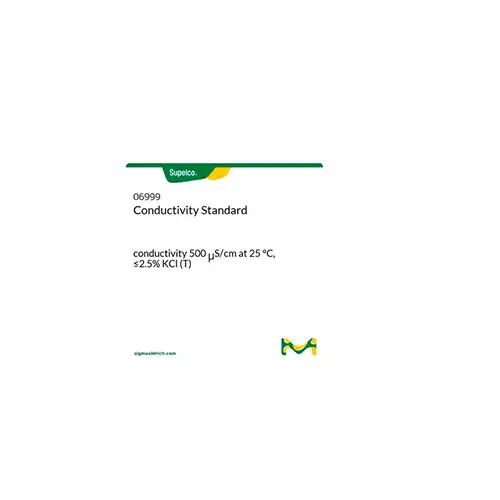
Application
UPLC-TQD-MS/MS Method Validation: A study developed an ultra-performance liquid chromatography-tandem quadrupole mass spectrometry (UPLC-TQD-MS/MS) method, utilizing conductivity standards for precise quality control of alkaloid content in food and dietary supplements containing Lepidium meyenii (Maca). This application emphasizes the role of conductivity standards in ensuring pharmaceutical grade accuracy and reliability in biotech research (Le NT et al., 2024).
Chemical Constituents Analysis: Research on the chemical constituents of Gastrodia tuber hallimasch powder was facilitated by the use of high-precision conductivity standards in UHPLC-Q-Orbitrap HRMS and HPLC analysis, underscoring their critical role in maintaining traceability and accuracy in biotechnological applications (Wu Y et al., 2024).
Pharmaceutical Applications of Castanea sativa: An investigation into the potential food and pharmaceutical applications of Castanea sativa wood extract highlighted the use of certified conductivity standards to assess the extract′s quality. This research demonstrates the utility of conductivity standards in developing biochemically traceable solutions for scientific research (Žitek Makoter T et al., 2024).
Biopharmaceutics Modeling: The summary report from a 2023 workshop on Physiologically Based Biopharmaceutics Modeling (PBBM) discussed the integration of conductivity standards in biopharmaceutics, indicating their essential role in enhancing drug product quality and regulatory compliance in the pharma and biotech sectors (Mackie C et al., 2024).
General description
Conductivity standard can generally be used for the calibration of conductivity measurements.[1] The conductivity calibration standard solution used for conductivity measurements can be sodium chloride or potassium chloride solution of a definite concentration.[2]