
 Tiếng Việt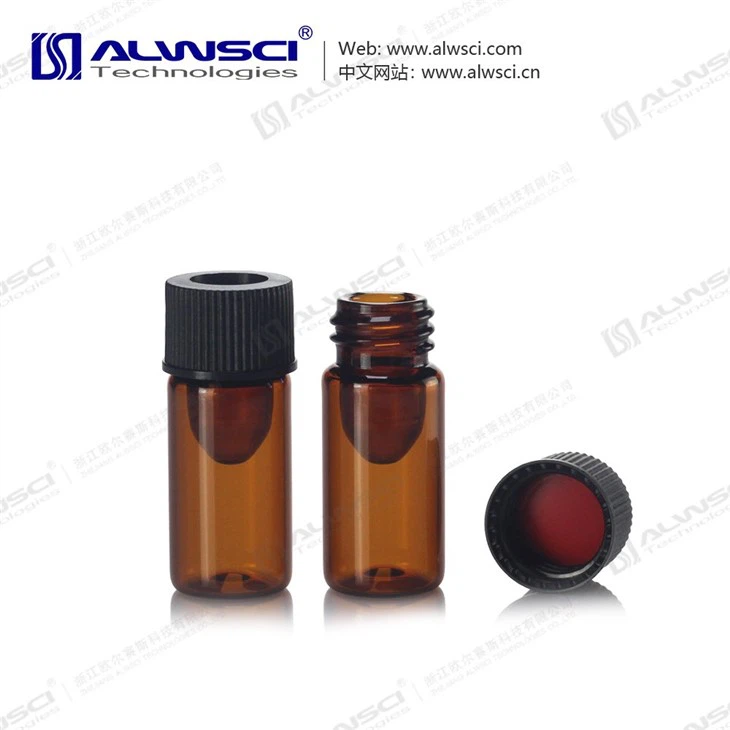
1) Description
0.4mL high recovery vials are typically used for high-sensitivity analyzes requiring extremely small amounts of sample, such as PCR reactions, microinjections, or specific chromatography applications. This compares to larger capacity vials, which may be used for more general purpose sample storage and analysis.
2) Features
▶ The tiny capacity is ideal for experiments requiring trace amounts of samples.
▶ The vial is precisely designed to ensure that it can be adapted to specific experimental equipment.
▶ The bottom is designed in a U shape to facilitate complete recovery of samples and reduce residues.
▶ Borosilicate glass material with good chemical stability.
▶ Can be equipped with special lids to achieve good sealing and prevent sample evaporation and cross-contamination.
3) Application
Liquid Chromatography (LC): To maximize analyte recovery when dealing with rare or limited samples, high recovery vials are key in liquid chromatography (LC). They help ensure accurate handling and recovery.
Gas Chromatography (GC): Gas chromatography requires precise injection of volatile samples. High recovery vials ensure that these volatiles reach their intended destinations on the GC column for greater reliability in analysis.
Pharmaceuticals and Life Sciences: Pharmaceutical and life sciences researchers use high recovery vials for drug analysis, biomarker discovery and proteomics research requiring precise sample handling. High recovery vials offer efficient sample delivery with pinpoint precision for efficient sample handling.
Environmental Analysis: For environmental scientists, using high recovery vials to accurately measure trace contaminants in water, soil and air samples is paramount in accurately measuring even minute concentrations of pollutants.
Food and Beverage Industry: High recovery vials have long been utilized in food and beverage quality control applications, where precise analysis of flavor compounds, additives, and contaminants requires minimal sample loss.