
 Tiếng Việt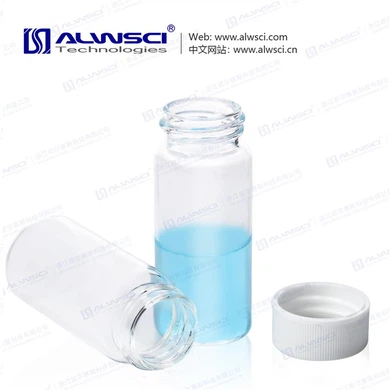
1) Description
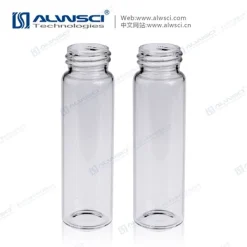
Cuvettes are used to measure the degree of dispersion caused by insoluble particles suspended in water or clear liquids and can quantitatively verify the content of these suspended particulate matter.
2) Applications
The cuvette is used with a turbidity meter to measure the degree of dispersion caused by insoluble particulate matter suspended in water or clear liquids and can quantitatively verify the content of these suspended particulate matter. It can be widely used to measure turbidity in power plants, pure water plants, tap water plants, domestic wastewater treatment plants, beverage plants, environmental protection departments, industrial water, wine and pharmaceutical industries, disease prevention departments, hospitals, and other departments.
3) Features
▶ Made of high borosilicate glass 3.3, its high transparency and nearly colorless properties are crucial for turbidity measurement. When performing turbidity measurements, the amount of light passing through the sample needs to be measured precisely, and any deviation in color can affect the accuracy of the results. High borosilicate glass can ensure that light can pass through without any obstruction and there will be no color deviation due to the material.
▶ The measuring bottle helps the experimenter ensure that the amount of sample added to the bottle remains constant, which is crucial for ensuring the repeatability and accuracy of the measurement results.