

 English
General description
Ac-Ser-Tyr-Ser-Met-Glu-His-Phe-Arg-Trp-Gly-Lys-Pro-Val-NH2
α-Melanocyte-stimulating hormone (α-MSH) is a tridecapeptide, mostly produced by the cells in the brain, pituitary and circulation.[1] Pro-inflammatory cytokines or UV light induced epidermal cells such as keratinocytes and melanocytes synthesize and discharge α–MSH. Poopiomelanocortin (POMC) acts as a precursor for α-Melanocyte-stimulating hormone (α-MSH) production.[2]
Application
α-Melanocyte stimulating hormone (α–MSH) has been used for following studies:
it has been Intracerebroventricularly (icv) injected to mice for behavioral studies.[3]
to determine the effect of α−MSH on growth of stationary Nb 2 node lymphoma cell cultures.[4]
to determine the effect of α−MSH on leptin secretion in the primary cultures of differentiated adipocytes.[5]
α−MSH promoted melanin production in the B16-F1 cells from murine melanoma cell line.[6]
Biochem/physiol Actions
α-Melanocyte-stimulating hormone (α-MSH) acts as an anti-inflammatory agent via down regulating the production and activity of the pro-inflammatory cytokines interleukin-1 (IL-1), tumor necrosis factor (TNF)-α and IL-6 expressed in various cells of the immune system. It also controls the nitric oxide production associated with inflammation. α−MSH inhibits nuclear factor-κB (NF-κB)-dependent gene transcription and NF-κB pathway induced by TNF and other inflammatory agents. This activity of α-MSH is mediated through the production of cyclic adenosine monophosphate (cAMP) and activation of protein kinase A (PKA) enzyme. α–MSH functions as a potent therapeutics for various conditions resulted through NF-κB activation including, inflammatory diseases, human immunodeficiency virus (HIV) replication in AIDS (acquired immunodeficiency syndrome), and septic shock.[1] α-MSH has an essential role to play in melanin production in animals. α-MSH regulates development of several skin diseases, including cutaneous inflammation and hyper-proliferative skin diseases.[2]
Hormone that stimulates melanogenesis; facilitates learning and memory; affects inflammatory and immune responses and peripheral nerve regeneration.
Pituitary hormone which causes darkening skin pigmentation from amphibians to humans. In mammals, it can also have behavioral effects on learning, attention, and memory.[7]
Other Notes
Derived from ACTH 1-13
Lyophilized from 0.1% TFA in H2O

α-Melanocyte stimulating hormone
≥97% (HPLC)
Code: M41351 mg M4135-1MG
5 mg M4135-5MG
- Hãng sản xuất: Merck
- Thương hiệu: Sigma-Aldrich
- Hãng sản xuất: Merck
| Hãng sản xuất |
|---|
Sản phẩm tương tự
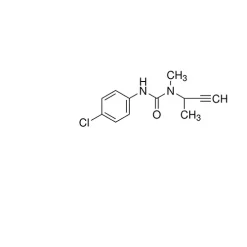
Trypsin-EDTA solution
0.25%, sterile-filtered, BioReagent, suitable for cell culture, 2.5 g porcine trypsin and 0.2 g EDTA, 4Na per liter of Hanks′ Balanced Salt Solution with phenol red
Code: T4049
- Hãng sản xuất: Merck
- Thương hiệu: Sigma-Aldrich

Fetal Bovine Serum
USA origin, Heat Inactivated, sterile-filtered, suitable for cell culture, suitable for insect cell culture, suitable for hybridoma
Code: F4135
- Hãng sản xuất: Merck
- Thương hiệu: Sigma-Aldrich
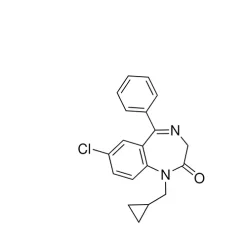
Dimethyl sulfoxide
sterile-filtered, BioPerformance Certified, meets EP, USP testing specifications, suitable for hybridoma
Code: D2438
- Hãng sản xuất: Merck
- Thương hiệu: Sigma-Aldrich
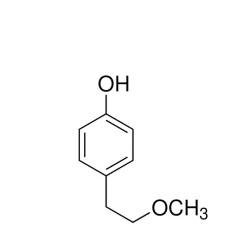
RPMI-1640 Medium
With ʟ-glutamine, sodium bicarbonate, liquid, sterile-filtered, suitable for cell culture
Code: R8758100 mL R8758-100ML
500 mL R8758-500ML
1 L R8758-1L
6 x 500 mL R8758-6X500ML
6 x 1 L R8758-6X1L
24 x 500 mL R8758-24X500ML
- Hãng sản xuất: Merck
- Thương hiệu: Sigma-Aldrich
Poly-ʟ-Ornithine
synthetic, mol wt 30,000-70,000, liquid, 0.01%, suitable for cell culture
Code: P4957
- Hãng sản xuất: Merck
- Thương hiệu: Sigma-Aldrich
Bovine Serum Albumin
lyophilized powder, ≥96% (agarose gel electrophoresis)
Code: A2153
- Hãng sản xuất: Merck
- Thương hiệu: Sigma-Aldrich

CryoStor® cell cryopreservation media
CS10
Code: C2874
- Hãng sản xuất: Merck
- Thương hiệu: Sigma-Aldrich

Millipore® Steriflip® Vacuum Tube Top Filter
pore size 0.22 μm, polyethersulfone membrane, funnel capacity 50 mL, pack of 25 ea
Code: SCGP00525
- Hãng sản xuất: Merck
- Thương hiệu: Millipore

Dulbecco′s Phosphate Buffered Saline
liquid, Modified, without calcium chloride and magnesium chloride, liquid, sterile-filtered, suitable for cell culture
Code: D8537100 mL D8537-100ML
500 mL D8537-500ML
1 L D8537-1L
6 x 500 mL D8537-6X500ML
6 x 1 L D8537-6X1L
24 x 500 mL D8537-24X500ML
- Hãng sản xuất: Merck
- Thương hiệu: Sigma-Aldrich
DMEM – high glucose
With sodium bicarbonate, ʟ-glutamine and sodium pyruvate, liquid, sterile-filtered, suitable for cell culture
Code: D6429
- Hãng sản xuất: Merck
- Thương hiệu: Sigma-Aldrich

